
How To Start Your Own Survival Garden

How To Start Your Own Survival Garden
Starting your own survival garden is a proactive step towards securing your family's food source. This guide will walk you through the essential steps to create a thriving garden that can sustain you in times of need.
The first step is to choose the right location for your garden. Look for a spot that receives ample sunlight and has good drainage. This will set the foundation for your plants to grow strong and healthy. Once you've identified the perfect spot, it's time to plan your garden layout.
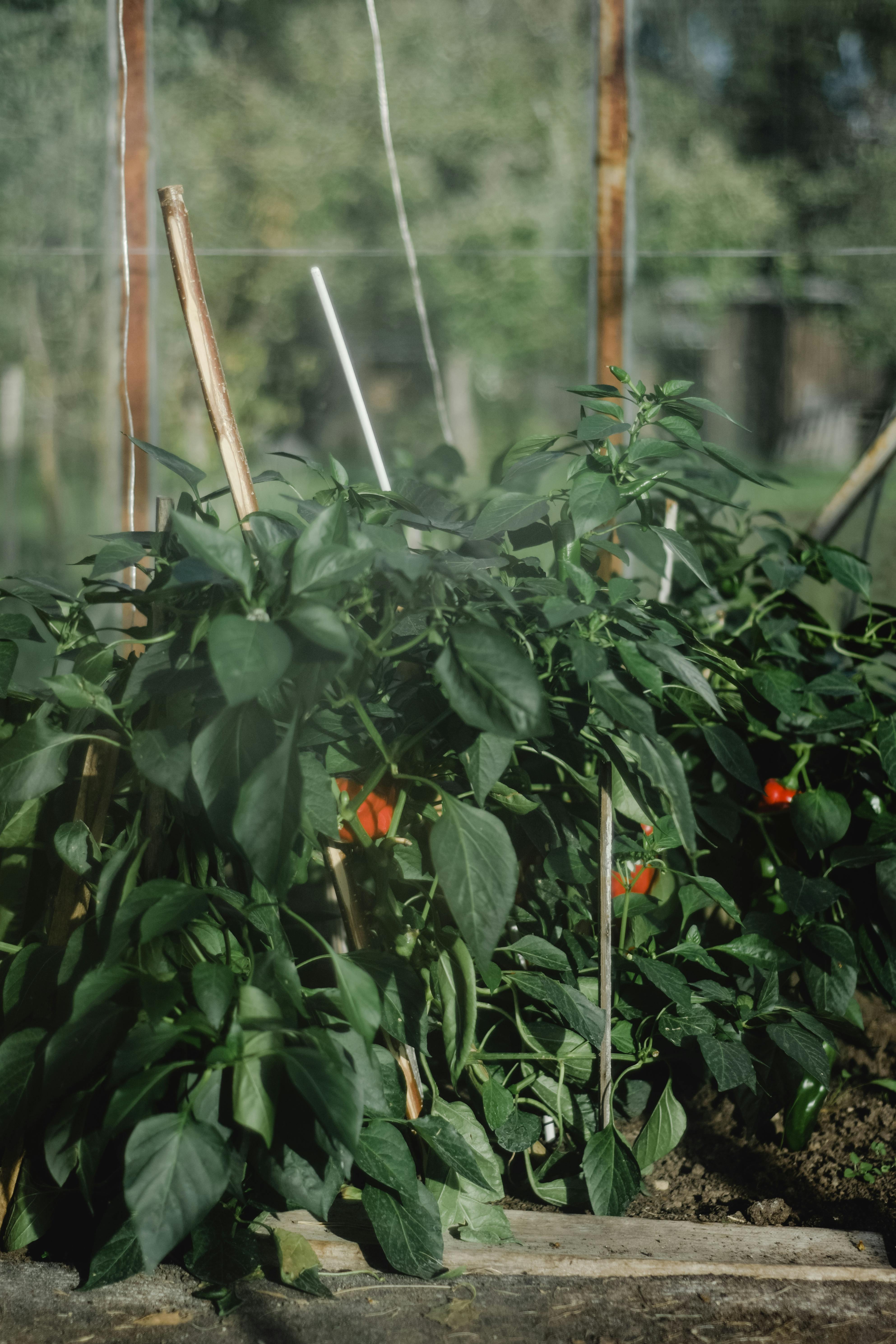
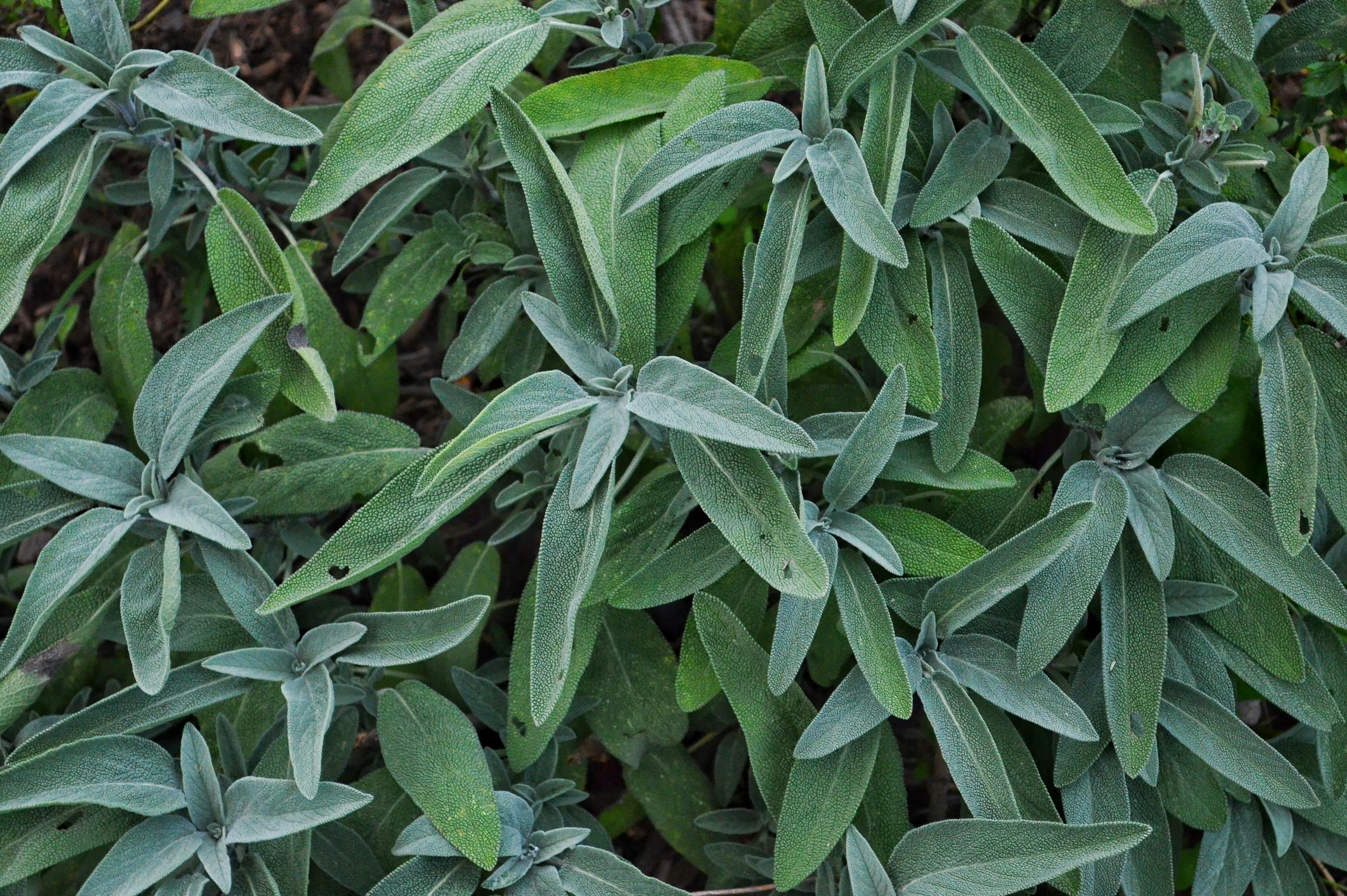
Consider incorporating a variety of plants that can provide food throughout the year. This includes vegetables, fruits, and herbs. By selecting a diverse range of crops, you ensure that your family has access to a balanced diet, even in challenging times.
Next, focus on soil preparation. Healthy soil is vital for a successful garden, so take the time to enrich it with organic matter. This can include compost, aged manure, or other natural fertilizers. Healthy soil not only supports plant growth but also helps in retaining moisture, reducing the need for constant watering.
Once your soil is ready, it's time to plant. Follow the guidelines for spacing and depth based on the specific needs of each plant. Remember to consider companion planting, where certain plants benefit from growing together. This technique can enhance growth and deter pests naturally.
As your garden grows, be vigilant about pest control. Instead of relying on chemical pesticides, explore natural alternatives. There are many plants that can repel harmful insects, allowing you to maintain a healthy garden without harmful chemicals.
Watering is another crucial aspect of garden maintenance. While survival gardens are often designed to be low-maintenance, ensuring your plants receive adequate moisture during dry spells is essential. Consider implementing a rainwater collection system to make watering more efficient and sustainable.
Incorporate medicinal plants into your garden as well. These plants can provide natural remedies for common ailments, ensuring that you have access to healthcare when needed.
Starting your own survival garden is not just about growing food; it's about taking control of your health and well-being. By implementing the strategies outlined in this guide, you can create a sustainable garden that feeds your family and empowers you to thrive.


Ready to Transform Your Garden?
Join countless others who have embraced the hidden survival garden lifestyle.
Save Time
Less maintenance means you can focus on what matters most.
Cost-Effective
A one-time investment with long-term returns.
Eco-Friendly
Sustainable practices that benefit the environment.
Community Support
Join a network of like-minded gardeners.
Get Started Now

★★★★★/5 250+ Ratings

Limited
Limited Time Offer!
Limited Time Offer!
$79
Now $39
Now $39